Early in my career, more than one mentor gave me the same honest feedback. They told me that I had strong analytical skills and a high IQ, but I needed to work on my emotional intelligence. At first, hearing this was uncomfortable. I was used to being praised for being hardworking and efficient, so being told that something deeper needed improvement felt humbling. But as I reflected on their words, I realized they were right.
At that stage of my life, I was very focused on results. I wanted to solve problems quickly, meet deadlines, and prove myself capable. I thought leadership meant being decisive, efficient, and always having the answers. What I did not yet understand was that leadership is not only about processes and performance. It is about people, and people come with emotions, struggles, fears, hopes, and different ways of seeing the world.
Becoming Intentional About Growth
Because of that feedback, I made a conscious decision to grow. I started paying attention to my own reactions. I asked myself why certain situations made me impatient, defensive, or overly stressed. I began journaling more consistently and writing helped me recognize patterns in my thoughts and emotions.
Prayer also became an important part of my growth. I asked God to soften my heart and teach me humility. I learned to pause before responding in difficult conversations and to listen carefully instead of preparing my reply while someone else was still talking.
Most importantly, I tried to understand other people more deeply. Instead of seeing only their output or mistakes, I began asking about their challenges, pressures, and motivations. I learned that when someone is late, quiet, or struggling, there is often a story behind it. That awareness helped me respond with empathy instead of frustration.
This process was slow, and sometimes uncomfortable, but it gradually changed the way I relate to others.
A Small Moment That Meant So Much
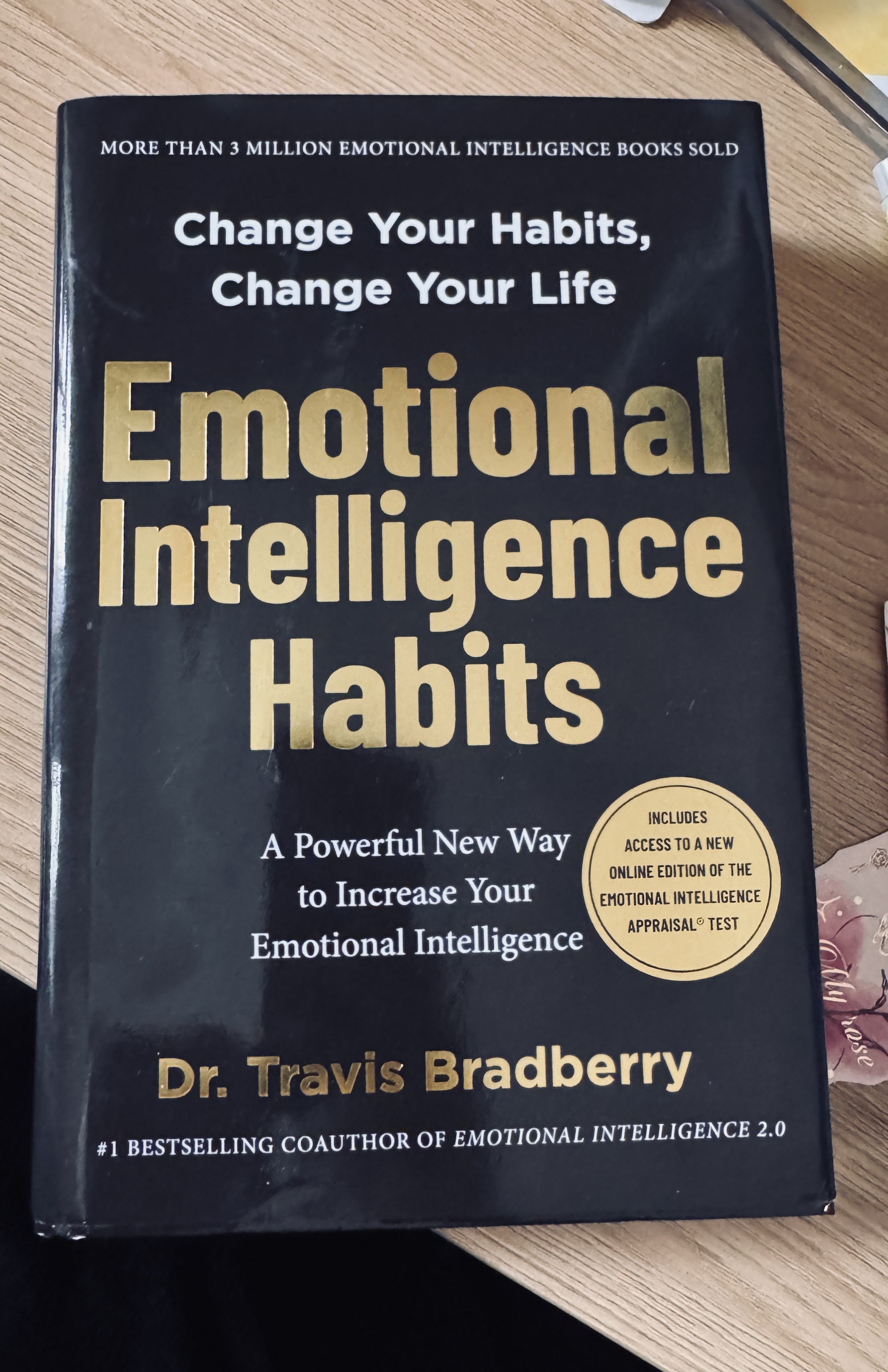
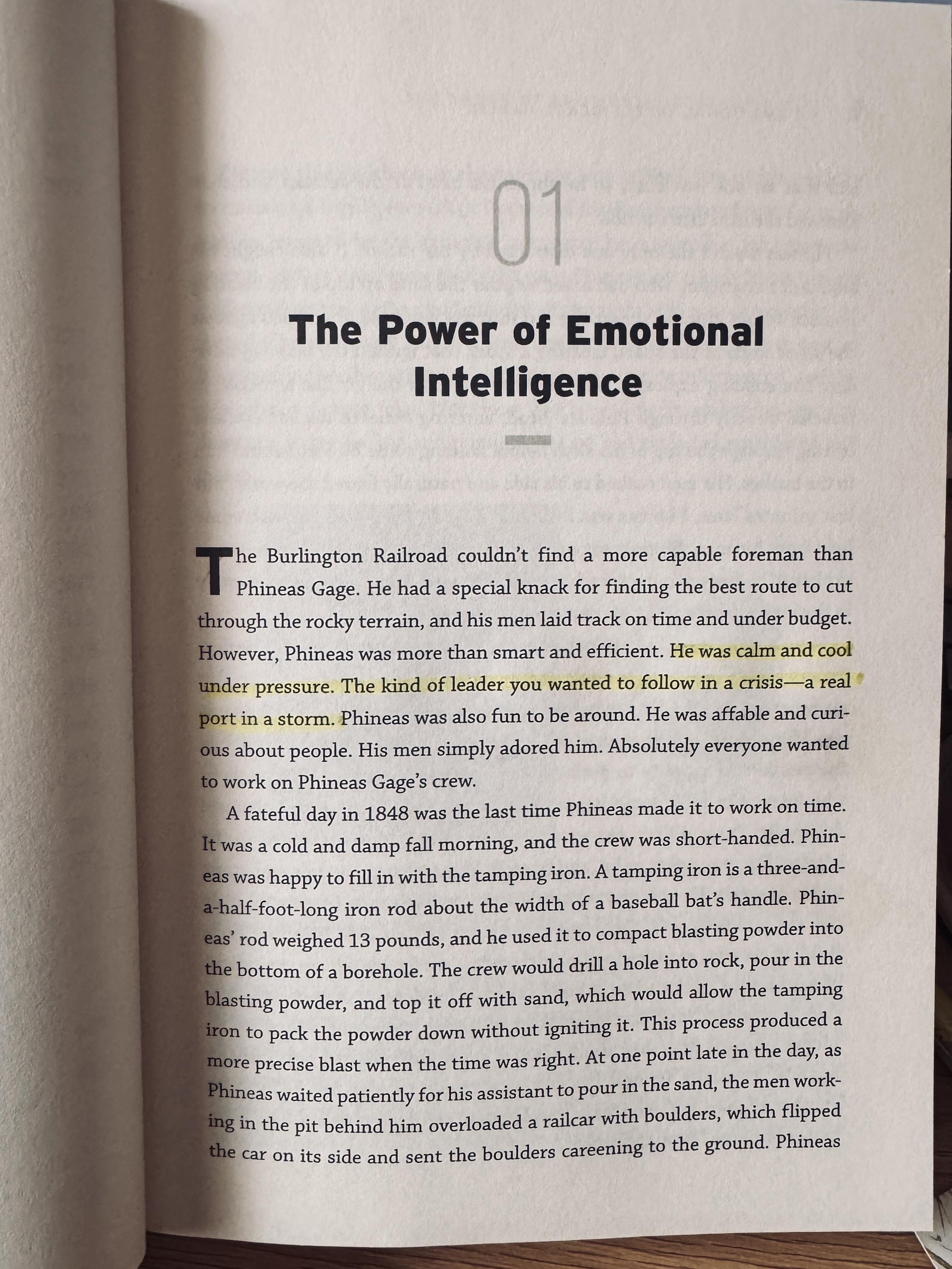
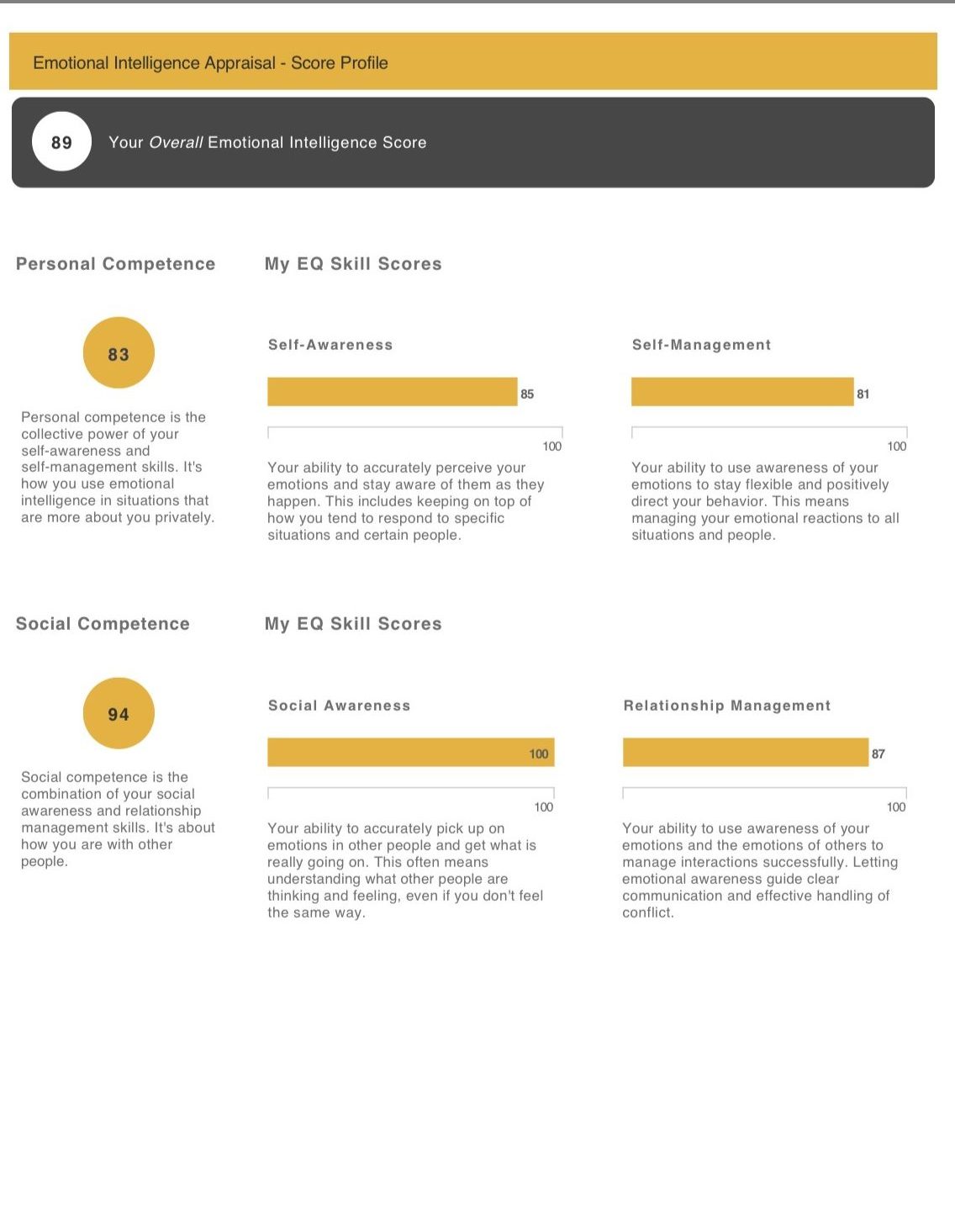
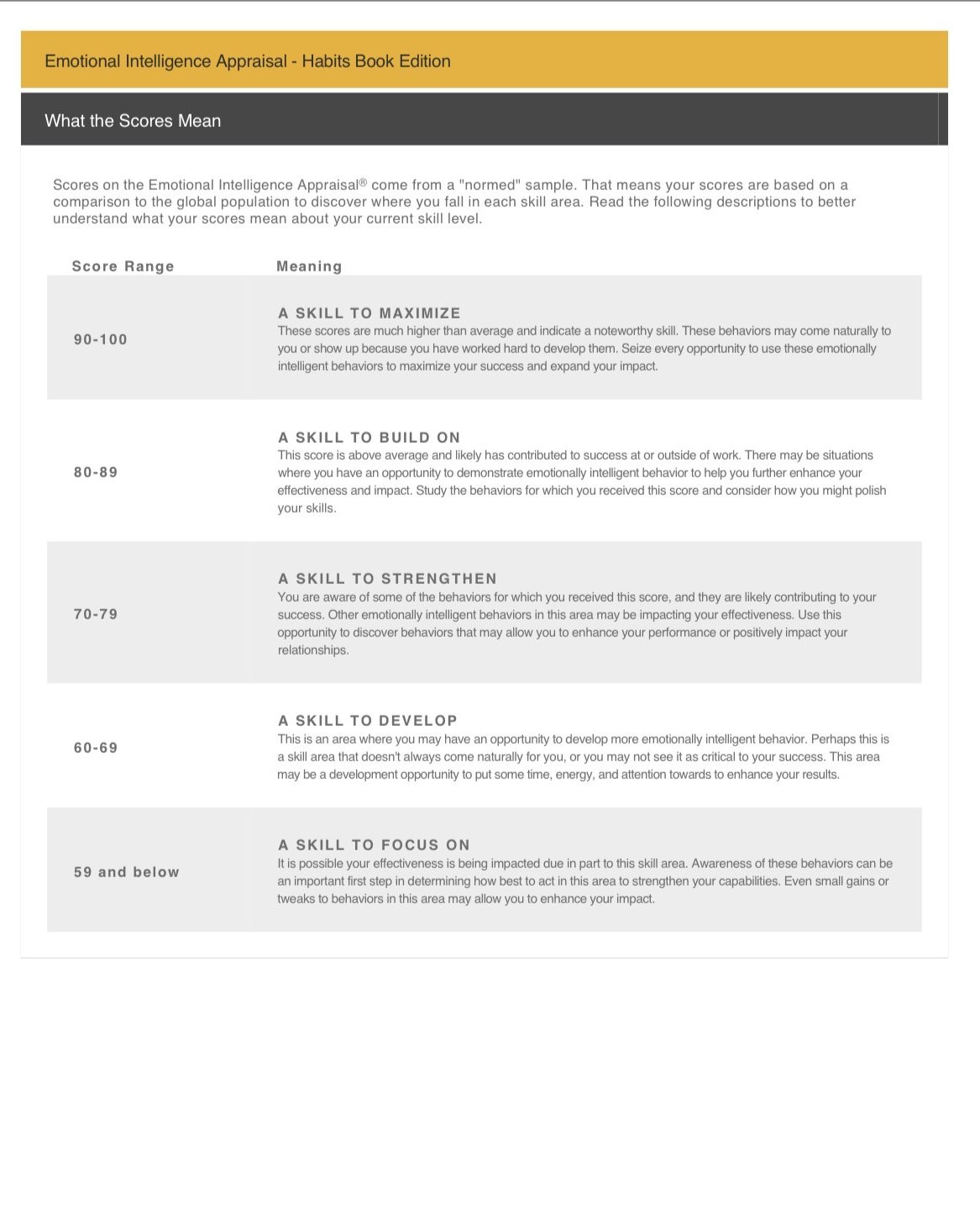
Recently, I decided to revisit an emotional intelligence book and retake the EQ assessment. When I saw that my score was above average, I felt proud—not because of the number itself, but because it reminded me of how far God had brought me.
I thought about the mentors who corrected me, the difficult situations that taught me patience, the late nights journaling my reflections, and the prayers I whispered asking God to help me grow. That small moment became a quiet celebration of progress.
Growth does not happen overnight. It happens through small, faithful steps taken again and again.
How Emotional Intelligence Changed My Leadership
As I grew in responsibility and moved from being a middle manager into senior leadership roles, I noticed that emotional intelligence became even more important.
When you are a middle manager, success is often measured by how efficiently you execute tasks and solve problems. But as you move into executive leadership, your role shifts. You are no longer responsible only for your own work—you are responsible for people, culture, and long-term direction.
Emotional intelligence helped me in several important ways.
First, it taught me to develop people instead of trying to do everything myself. Early in my career, I thought being a good leader meant having all the answers. Over time, I learned that true leadership means helping others grow into their potential. Coaching someone patiently often has more impact than solving their problem for them.
Second, emotional intelligence helped me respond wisely instead of reacting quickly. Leadership decisions affect real people. When emotions are high, taking time to listen and understand different perspectives leads to better outcomes and stronger trust.
Third, I learned the value of trust and delegation. As responsibilities increase, it becomes impossible to control every detail. Emotional intelligence helped me recognize strengths in others and give them space to grow, while still providing guidance and support.
Finally, emotional intelligence reminded me that empathy matters more than efficiency alone. Deadlines and results are important, but people’s well-being sustains the mission. When leaders understand their teams’ fears, hopes, and challenges, they create an environment where people can thrive.
Emotional Intelligence as Part of My Faith
For me, this journey was not just professional growth. It was spiritual growth.
Learning emotional intelligence meant learning humility, patience, and compassion. It meant recognizing that leadership is not about proving myself, but about serving others with love… it is about being a “servant leader”.
As a wife, a mom to Adi, and someone who wants to honor God in every role, I realized that emotional intelligence is simply another way of learning to love people well.
Encouragement for You
If someone gives you feedback today, do not be discouraged. Honest feedback is a gift, even when it is uncomfortable.
Growth takes time, but it is possible. When we choose self-awareness, humility, and intentional effort to understand others, we become better leaders, better parents, better friends, and better followers of Christ.
Be patient with yourself. Keep learning. Keep praying. Keep listening.
One day, you will look back and realize how much you have grown.
A Short Prayer
Lord, please teach us to know our hearts honestly and to understand others with compassion. Help us to lead with humility, patience, and love. May our growth bring glory to You and blessing to the people around us. Amen.



 My Brightest Light
Leave a comment